AI Video Production Company: How It Works
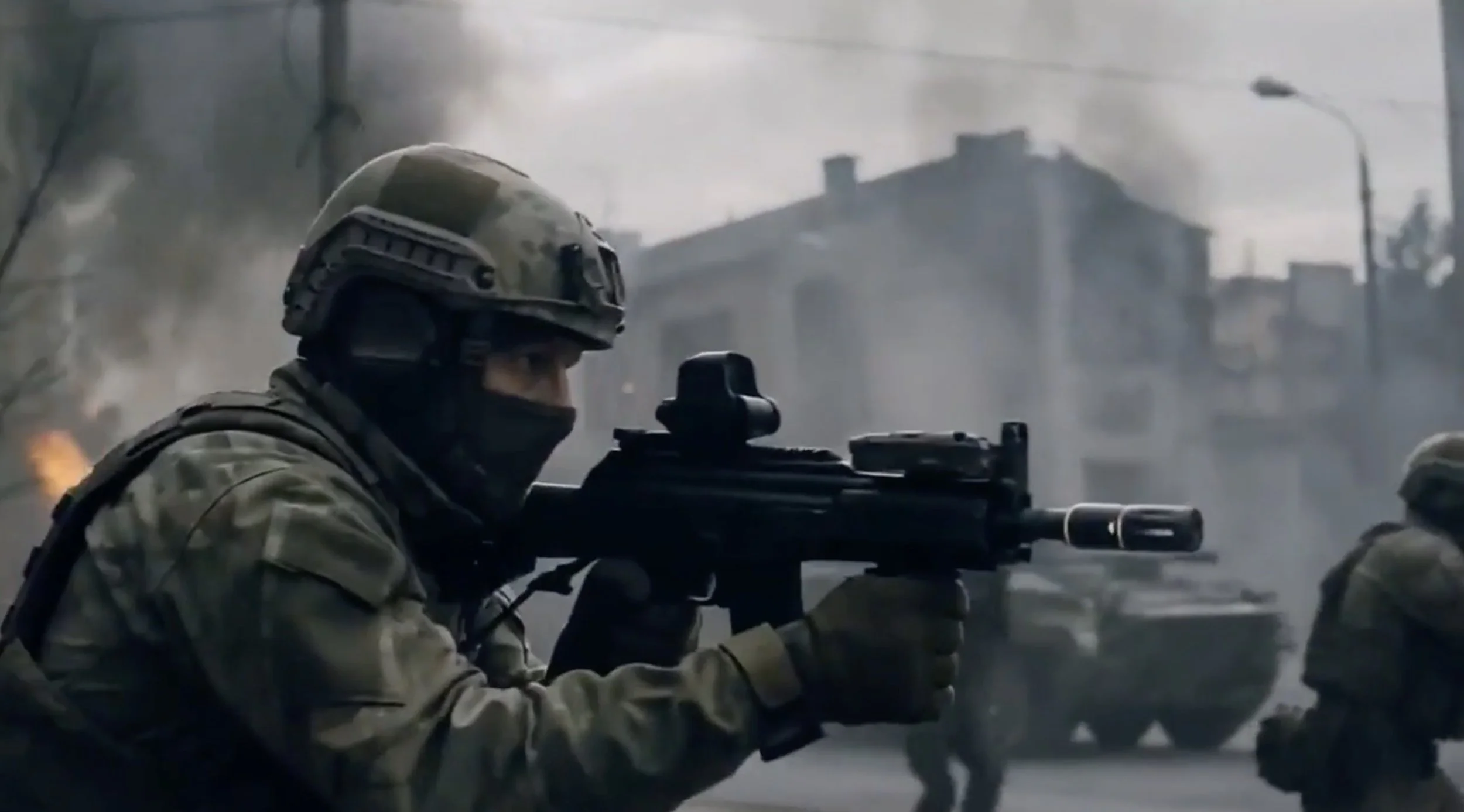
AI Video Production - Credit. Seedance 2, AI video model.
AI video production is moving quickly from experimentation into real production. Brands, studios, and agencies are already using it to create commercials, social content, and even full sequences for film and television.
An AI video production company does not just generate images or clips. It runs a controlled production process that takes a project from concept through to final delivery.
What is an AI video production company?
An AI video production company produces video using a combination of data capture, generative models, traditional VFX workflows, and supervised production pipelines.
At a basic level, this includes:
generating shots and sequences using AI models
integrating those outputs into a structured edit
managing consistency across shots, characters, and environments
delivering final content to broadcast or platform standards
The difference between a tool and a company is control.
Anyone can generate a clip. Production requires:
continuity
editorial structure
legal clearance
delivery standards
That is where most AI workflows fail.
How AI video production works in practice
A typical AI video production pipeline follows a structure closer to post-production than shooting.
1. Concept and development
Scripts, references, and visual direction are defined. This stage looks similar to traditional pre-production.
2. Look development
Styles, characters, and environments are established. This is where consistency is built.
3. Shot generation
Shots are generated using AI systems. These are not final outputs. They are elements that will be refined.
4. Assembly and edit
Generated material is cut into sequences. Editorial decisions shape the final narrative.
5. VFX and enhancement
Shots are refined, stabilised, relit, or combined using VFX techniques.
6. Delivery
Final outputs are formatted for broadcast, streaming, or campaign use.
In real production, these steps are not linear. They loop and refine.
What AI video production is used for
Right now, the strongest use cases are:
commercial production for brands and agencies
social and digital campaigns
episodic and factual formats
background replacement and environment creation
concept-driven films and short-form content
In commercial work, AI video production is already being used to deliver multiple versions of the same campaign across formats and regions.
How much content can AI production handle?
Scale is one of the main advantages.
A supervised AI production pipeline can process:
hundreds of shots per episode for factual formats
dozens of variations for a single campaign
large volumes of repeatable content across series
For example:
interview formats can be processed at scale using consistent background systems
branded campaigns can generate multiple edits and variations from the same base material
The key is supervision. Fully automated output without control usually fails at delivery stage.
Is AI video production suitable for commercial use?
This is where most of the confusion is.
AI-generated content can be used commercially, but only if:
the inputs are licensed or owned
outputs are traceable
authorship is clear
the work passes legal and insurance checks
For film, television, and advertising, this usually means:
clear chain of title
documented workflows
compliance with platform requirements
Without that, the content may not be usable, even if it looks good.
AI video production vs traditional production
AI production does not replace everything.
It changes where the work happens.
Traditional production:
capture first, refine later
AI production:
generate, refine, and assemble within a controlled pipeline
You still need:
direction
editorial judgement
VFX integration
delivery standards
The tools change. The requirements do not.
Working with an AI video production company
When choosing a partner, the key questions are practical:
Can the work be delivered to broadcast or platform standards?
Are the inputs and outputs legally clear?
Is there consistency across shots and sequences?
Can the process scale without breaking?
If those are not answered clearly, the risk sits with the client.
Final note
AI can generate content quickly.
Production is still about finishing it properly.
The companies that matter are not the ones generating the most images. They are the ones delivering work that can actually be released.