How AI Is Used in Film Pipelines Today: From Fully Agentic Workflows to AI VFX That Matches Live-Action Footage
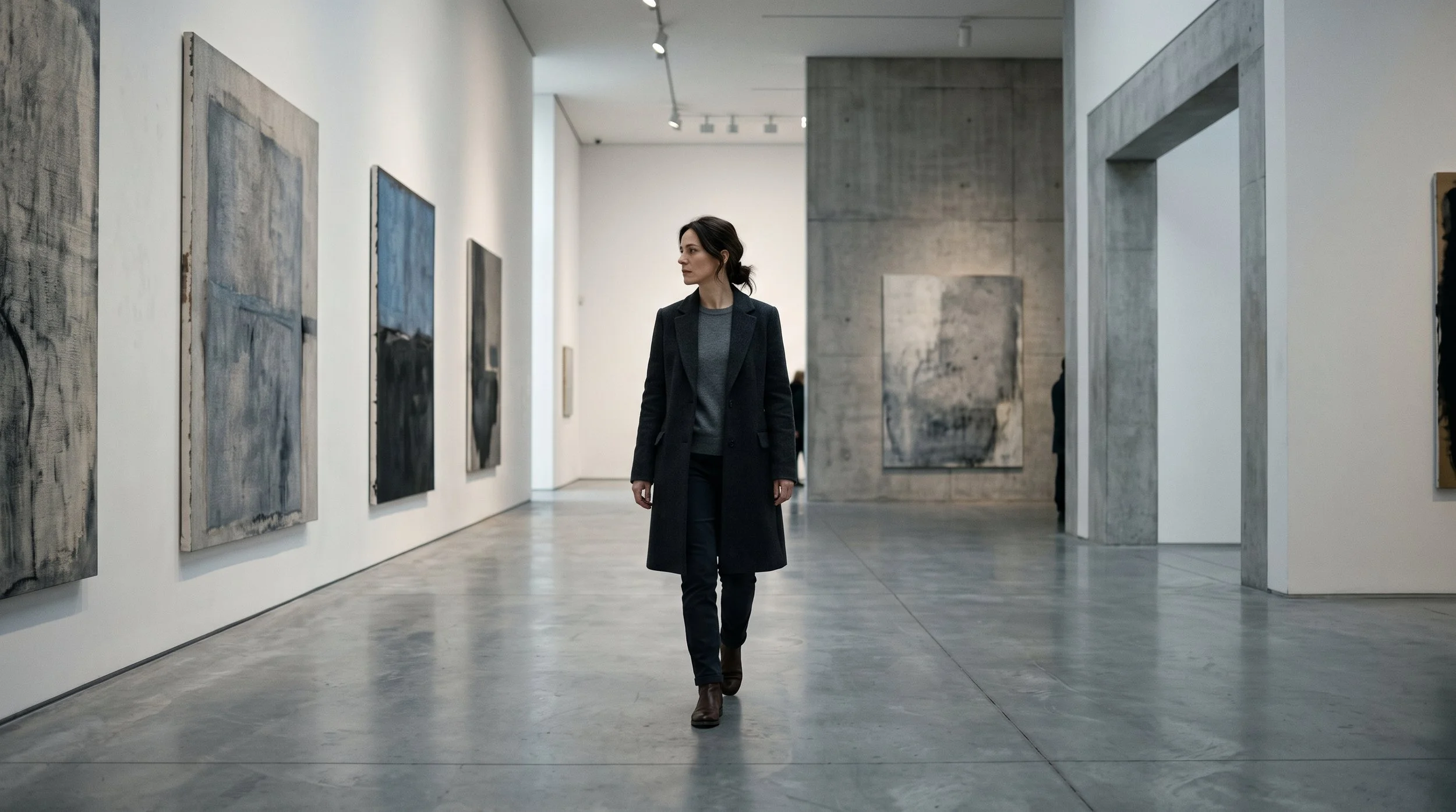
True crime drama reimagined. Google Flow.
AI in filmmaking is not one single thing. It exists on a spectrum — from fully prompted, agent-driven systems that can generate large portions of a project, all the way to targeted tools that enhance traditional production. Understanding where different approaches sit on this spectrum helps filmmakers choose the right level of AI for their project, budget, and creative goals.
At the AI Film Company, we see AI as a set of powerful tools that can be applied at different stages of the pipeline. The most effective use right now, especially for independent and low-budget productions, is using AI to create high-quality VFX that seamlessly matches traditionally shot footage.
The Spectrum of AI in Film Pipelines
Here are the main ways AI is currently being used in real production pipelines:
1. Fully Prompted and Agent-Driven Pipelines In this approach, AI agents handle large parts of the production process with minimal human intervention between steps. A director or showrunner can describe scenes, characters, style references, and narrative beats, and a coordinated system of agents generates storyboards, previs, rough edits, and even final shots.
This method is advancing quickly and works best for specific formats such as short-form content, social-first projects, music videos, or highly stylized sequences. It offers speed and scale but requires strong creative direction and quality control at the top level.
2. Hybrid Agent-Assisted Pipelines Most professional productions today sit in the hybrid zone. Human directors and department heads remain in control, while AI agents handle repetitive or time-consuming tasks. Examples include:
Generating multiple storyboard variations from a prompt
Creating consistent character references across scenes
Automating previs and layout
Assisting with script breakdown and scheduling
This model keeps creative authority with humans while dramatically increasing speed and reducing costs.
3. AI-Enhanced Motion Capture (Mo-Cap) AI is significantly improving traditional motion capture. Modern systems can:
Clean up and refine raw mo-cap data automatically
Generate realistic secondary motion (clothing, hair, muscle)
Retarget performances to different character proportions with less manual work
Create plausible facial animation from audio or video reference
This reduces the need for expensive clean-up passes and makes high-quality performance capture more accessible to mid-tier and independent productions.
4. AI VFX That Matches Traditionally Shot Footage (Currently the Strongest Use Case) This is where AI is delivering the most immediate and practical value for independent filmmakers right now.
Instead of trying to generate entire scenes from text, AI tools are being used to create specific VFX elements that integrate seamlessly with live-action plates shot on cameras. This includes:
Extending sets and environments
Creating digital doubles and crowd replication
Generating complex particle effects, destruction, or weather that matches the lighting and camera movement of the original footage
Upscaling, de-aging, or enhancing practical effects
Creating consistent set extensions or matte paintings that react correctly to camera movement
Because the AI is working with real footage rather than trying to replace it entirely, the results are often more convincing and cost-effective than fully synthetic approaches. This dramatically expands what independent and low-budget productions can achieve visually without needing massive VFX budgets or large teams.
Why Matching AI VFX to Live-Action Is Currently the Best Application
For most independent productions, fully generated AI footage still struggles with consistency, physics, and emotional performance at feature or high-end episodic level. However, using AI to intelligently enhance or extend traditionally captured footage works extremely well today.
This hybrid approach gives filmmakers the best of both worlds:
The authenticity and performance quality of real actors and practical photography
The scale and visual ambition that was previously only possible with big studio VFX budgets
It lowers the barrier for ambitious storytelling while keeping the human heart of the performance intact.
The Practical Reality
The most successful AI film pipelines right now combine several of these approaches depending on the needs of each sequence. Some scenes may be heavily agent-driven, while key dramatic moments remain fully traditional with targeted AI VFX support.
The filmmakers who are getting the best results are those who treat AI as a skilled collaborator rather than a complete replacement — using it where it adds the most value and maintaining strong human oversight on creative decisions.
Frequently Asked Questions
What are the main ways AI is used in film production pipelines today? AI is used across a spectrum, including fully agent-driven pipelines, hybrid human + AI workflows, AI-enhanced motion capture, and AI tools that create VFX elements designed to match traditionally shot live-action footage.
What is a fully prompted or agent-driven AI film pipeline? This is where AI agents handle large portions of the production process based on text prompts and creative direction. It can include generating storyboards, previs, rough cuts, and sometimes final shots with relatively little manual work between steps.
How is AI being used with motion capture (mo-cap)? AI helps clean up raw motion capture data, generates secondary motion (clothing, hair), improves facial animation, and makes retargeting performances to different characters faster and more accurate.
Why is using AI to create VFX that matches live-action footage currently the best use for independent productions? It allows filmmakers to achieve high-quality visual effects that integrate seamlessly with real camera footage. This approach is more reliable and cost-effective than fully generated scenes while significantly expanding what low-budget and independent productions can visually achieve.
Can AI replace traditional VFX pipelines entirely? Not yet for most high-quality narrative work. The most effective current use is hybrid — using AI to enhance and extend traditionally shot footage rather than replacing the entire pipeline.
What is the recommended approach for most independent filmmakers using AI right now? Use a hybrid model: keep human directors and artists in creative control, apply AI where it removes friction or adds scale (especially for VFX that must match live-action), and maintain strong oversight on final quality and storytelling.